

 FoundationsVideo lesson 01
Qualitative Health Research Network Brazil-Canada
This site gathers information and resources produced directly or indirectly by the Quali Network Brazil-Canada, to be used free of charge in support of teaching and learning in undergraduate and graduate health programmes.
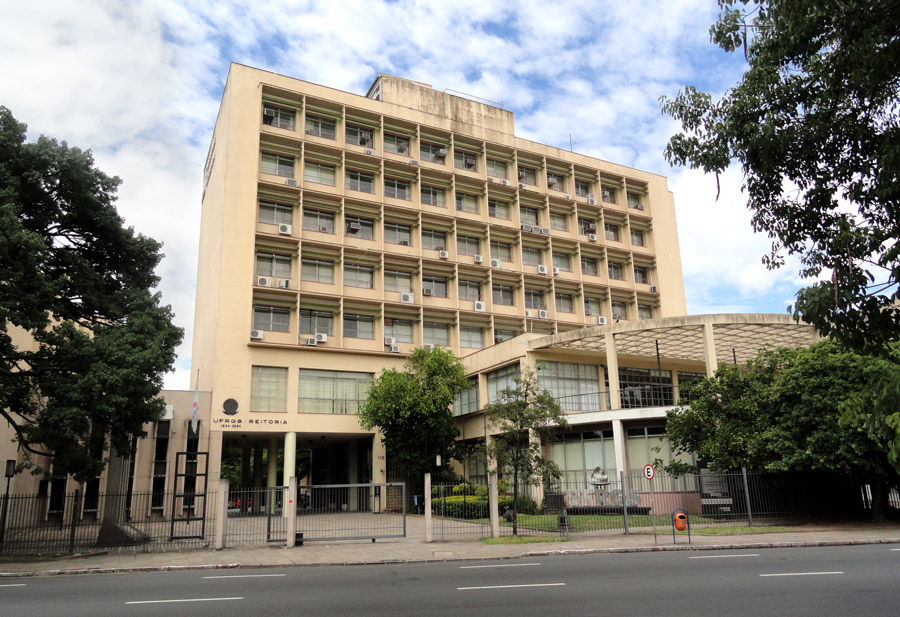
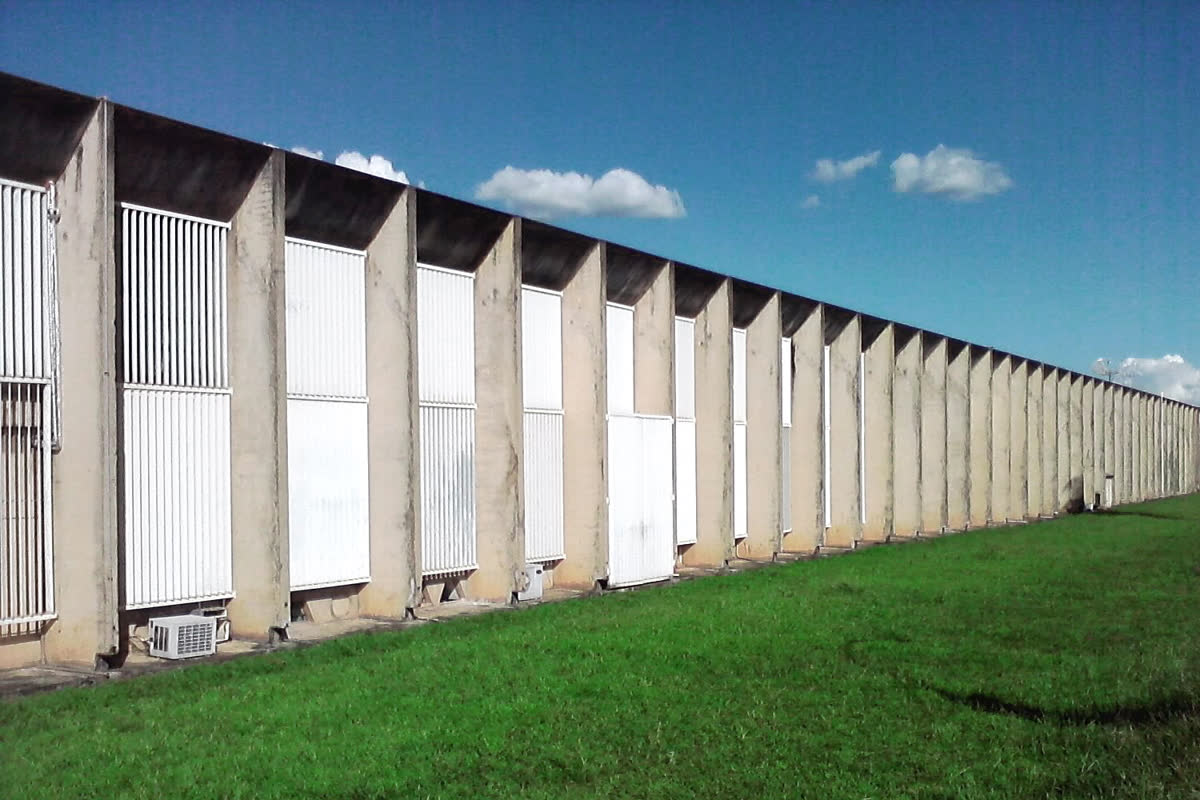 Photo: Nossedotti — public domain
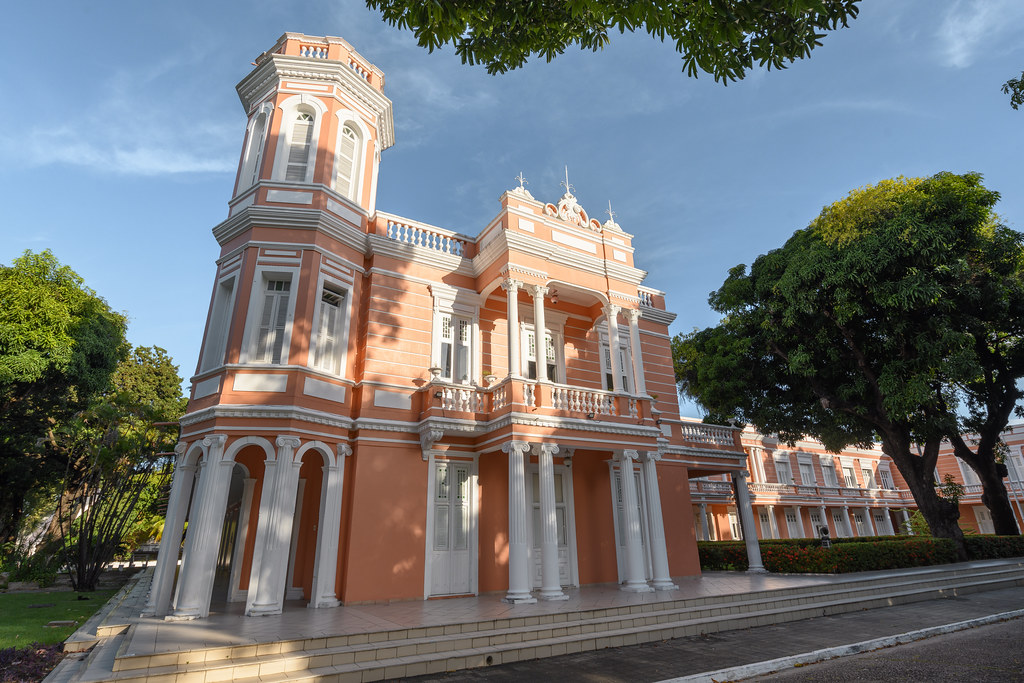
Photo: Tetraktys — CC BY-SA 3.0
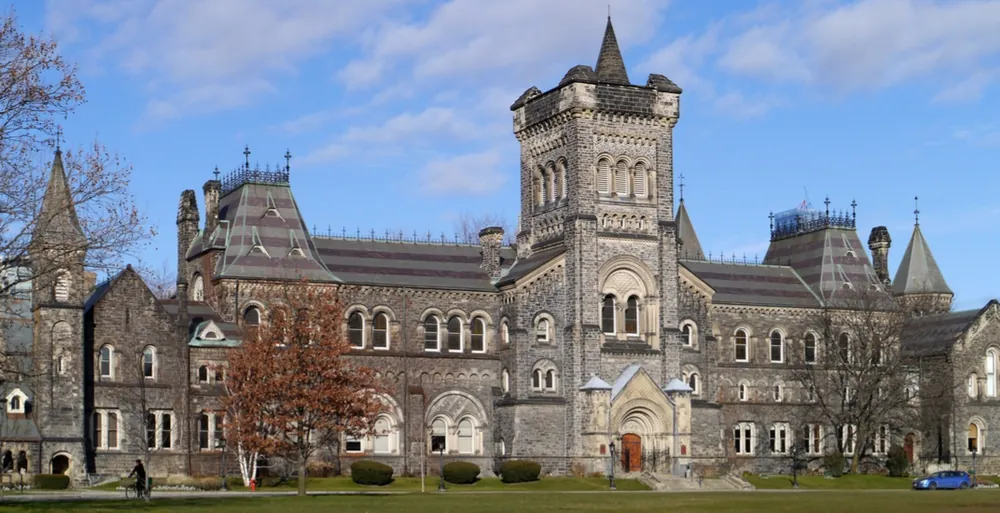
Photo: Viktor Braga / UFC — CC BY-NC 2.0
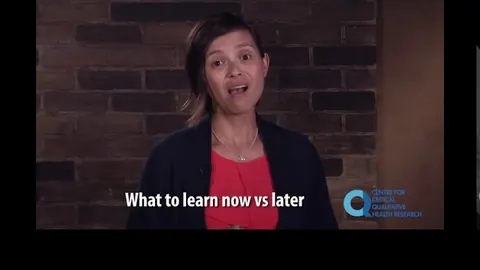
Photo: Quali Network collection
Photo: Nossedotti — public domain
Photo: Tetraktys — CC BY-SA 3.0
Photo: Viktor Braga / UFC — CC BY-NC 2.0
Photo: Quali Network collection
36+Activities completed
18Open video lessons
8+Researchers
7Universities
2Countries
9+Years of experience
About the network
Research excellence built through collaboration
The Quali Network Brazil-Canada is a partnership between researchers from Brazilian universities and the University of Toronto (Canada), whose purpose is to produce and disseminate standards of excellence in the teaching of qualitative research in the health field.
Read the full introduction
The researchers who make up the network are part of the research project “Qualitative Health Research in Brazil and Canada: Methodological Strategies for Excellence in Researcher Training”, agreed between the University of Brasília (UnB), UFRGS, the Federal University of Ceará (UFC) and the University of Toronto (UofT) — more specifically the Centre for Critical Qualitative Health Research (CCQHR), Dalla Lana School of Public Health (DLSPH) of that distinguished Canadian institution. The project is funded by both countries: CAPES (Brazil) and DFTAD (Canada). It is one of the ten proposals approved under call no. 34/2017 of the Brazilian Federal Agency for Support and Evaluation of Graduate Education, the CAPES-DFATD Programme (Global Affairs Canada), which aims to strengthen cooperation between higher education and research institutions in Brazil and Canada across different fields of knowledge. The project sets out to compare successful practices, as well as the limitations and challenges facing the training of qualitative health researchers in both countries. We intend to systematise the innovative contributions both countries have been making in this field so as to make them better known internationally, and to identify gaps in order to propose solutions inspired by examples found through the study. Besides the universities named above, the group also includes researchers on the faculty of UECE, UFRGS, UFAC and UFSCar.
This site gathers information and resources produced directly or indirectly by the Quali Network Brazil-Canada, to be used free of charge in support of teaching and learning in undergraduate and graduate health programmes. Please note that the intellectual property of the resources and materials available here is protected by Creative Commons rules; this page must therefore be cited as the source.
The term "qualitative research" is a broad concept covering many different forms of inquiry and methodological practices that frame "reality" and science as critically mediated by human interpretation and meaning, by language and discourse, by socio-political processes, institutions and social structures, and by the position of the researcher. Qualitative research seeks to understand and explain phenomena and their interrelations in non-numerical terms, and draws on a range of methods of data collection and analysis, such as observation, individual and group interviews, and the analysis of textual and visual data. This form of inquiry depends chiefly on questions of quality rather than quantity (for example, a deep understanding of the form and nature of a phenomenon rather than of its frequency, regularity or distribution).
It is "critical" research — that is, it refers to the capacity to ask questions "against the grain": to question the conceptual and theoretical foundations of knowledge and method, to ask questions that go beyond prevailing assumptions and understandings, and to recognise the role of power and social position in health-related phenomena. The notion includes self-critique, a critical stance towards qualitative inquiry itself. CQ. (2018, May 24). What is ‘Critical’?. Retrieved from: https://ccqhr.utoronto.ca/about-cq/what-is-critical/.
Our intention is to prioritise, as a first step, contact with the teachers who deliver qualitative research methodology in master’s and doctoral programmes in the health field within the universities that signed the project.
The journey
Four moments in a qualitative study
The video lessons follow the path of an inquiry, from the opening question to giving the knowledge back. Pick a moment to see the matching lessons.
Foundations
Where the question comes from. Paradigms, reflexivity, theoretical congruence, rigour and ethics — before any data is collected.
5 video lessonsFieldwork
Meeting people. Interviewing, participant observation, focus groups, ethnography, case study and community-based participatory research.
8 video lessonsAnalysis
From raw material to interpretation. Theoretical background, qualitative analysis and a worked example from a study of work injury.
3 video lessonsMobilization
Giving back what was learned. Digital storytelling and creative representations, so knowledge travels beyond the academy.
2 video lessons
Vocabulary
Six questions qualitative research asks itself
Concepts from the field, put the way they actually show up in the work: as doubt. Open each one for the short answer.
In qualitative research the researcher is the instrument. Reflexivity is the systematic work of examining how one’s own history, position and presence shape what was asked, observed and interpreted — and of recording that in the study rather than hiding it.
Questioning the conceptual and theoretical foundations of knowledge and method, asking questions that go beyond prevailing assumptions, and recognising the role of power and social position in health phenomena — including within qualitative inquiry itself.
It does, and that is not a flaw to be corrected. Gender, race, class, profession and institutional ties determine which doors open in the field and which answers people feel safe giving. Making that position explicit is part of rigour.
There is no fixed number. The sample closes when new data stop adding to the understanding of the phenomenon — a criterion of conceptual sufficiency, not a statistical one, and it has to be argued for in the text.
Crossing methods, sources, researchers or theories is not about "proving" which version is true. It is about making complexity visible: when versions diverge, the divergence is usually the finding.
Congruence between question, theory, method and interpretation — and transparency about the choices made along the way. Qualitative research is not judged by quantitative criteria; it has its own, and they are demanding.
Open resources
Learn with the network
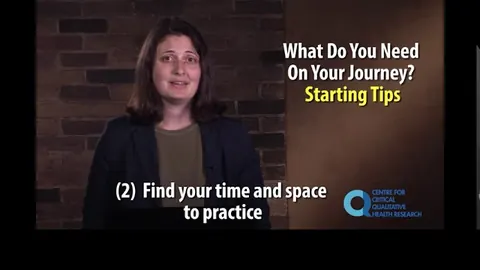
Eighteen free lessons with annotated bibliographies, produced at the University of Toronto for those who teach and those just starting out.

Institutions
The universities that sustain the network
Brazilian and Canadian institutions united by the training of new researchers and the advancement of qualitative health research.
Who we are
A network of researchers
A multidisciplinary community connecting experience from Brazil and Canada.
Lilian Magalhães
Federal University of São Carlos
Brazil

Denise Gastaldo
University of Toronto (Canada)
Canada

Alex Branco Fraga
Federal University of Rio Grande do Sul
Brazil

João Tadeu de Andrade
State University of Ceará
Brazil
What’s on
Network news
Meetings, opportunities and news from our community.

POLIFES: 10 Years of Study and Research
Training Policies in Physical Education and Health: 10 years of study and research
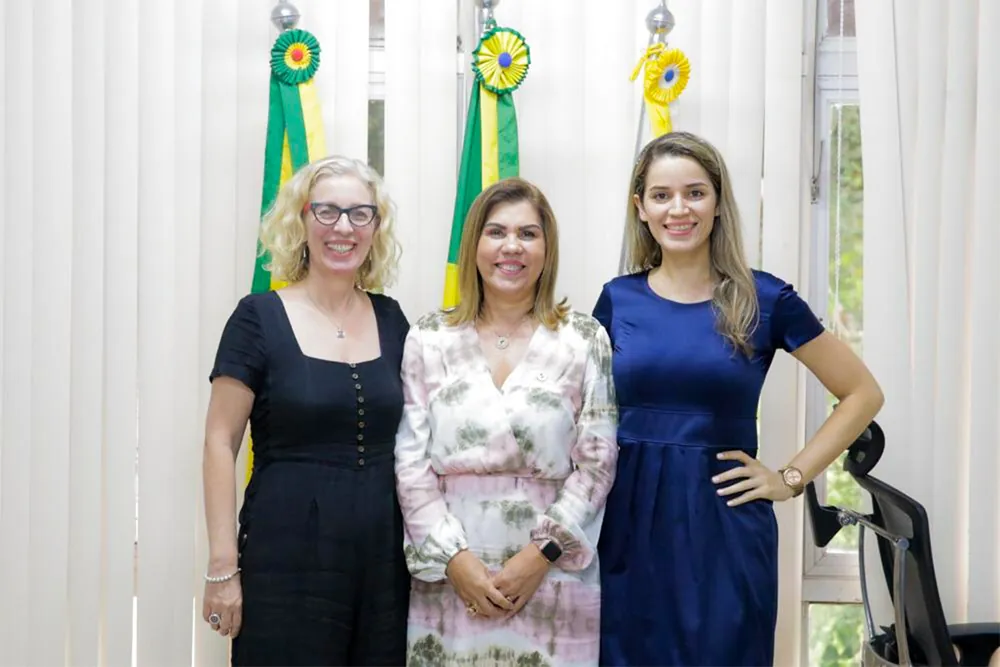
U of T researchers volunteer to help Brazilian university build its first qualitative health research program
Denise Gastaldo and Brenda Gladstone, both volunteers with Academics Without Borders, are helping the Federal University of Acre build the Amazon region’s first qualitative health research program.
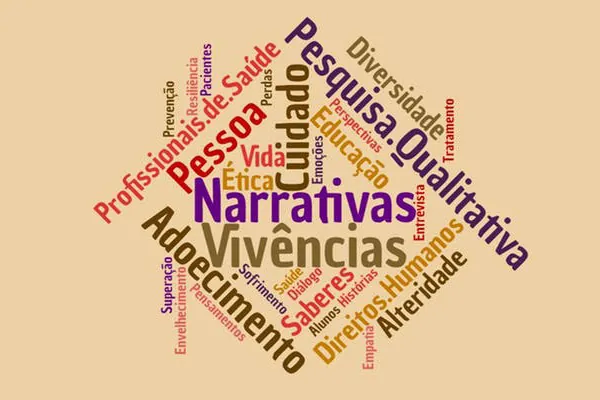
International Seminar on Health Narratives
An international seminar bringing together researchers from Brazil, Canada, the United States and Australia.