

Lilian Magalhães
Federal University of São Carlos
Brazil

How the network came about, what it sets out to do, who takes part and the project that started it.
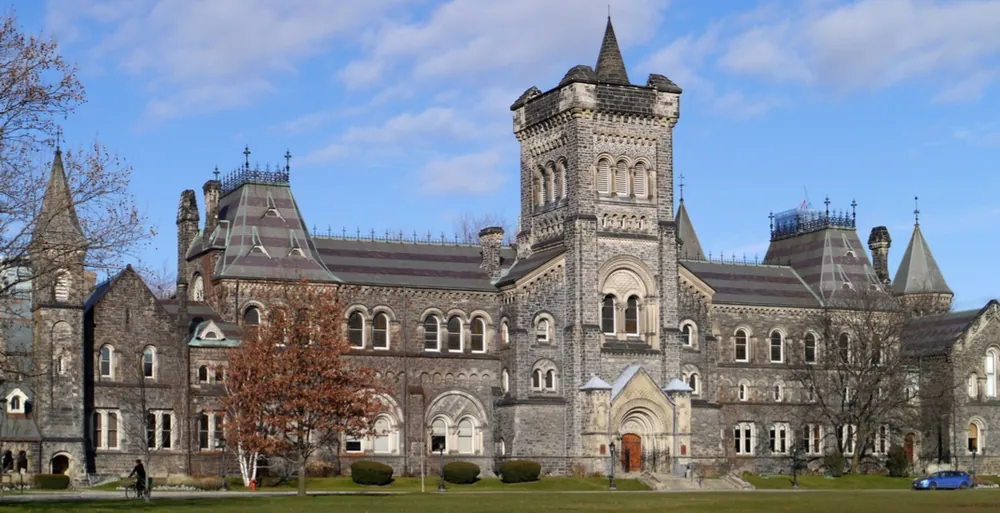
The network, founded on 29 May 2017, brings together Brazilian and Canadian researchers. It grew out of the investment Brazilian funding agencies (CAPES and CNPq) make in sending researchers from all five regions of Brazil, interested in qualitative research of excellence, to Canada for postdoctoral placements at the Centre for Critical Qualitative Health Research at the University of Toronto (UofT) — and out of the warmth with which colleagues at UofT have welcomed them.
The researchers who make up the network are part of the research project “Qualitative Health Research in Brazil and Canada: Methodological Strategies for Excellence in Researcher Training”, agreed between the University of Brasília (UnB), UFRGS, the Federal University of Ceará (UFC) and the University of Toronto (UofT) — more specifically the Centre for Critical Qualitative Health Research (CCQHR), Dalla Lana School of Public Health (DLSPH) of that distinguished Canadian institution. The project is funded by both countries: CAPES (Brazil) and DFTAD (Canada).
Federal University of São Carlos
Brazil

University of Toronto (Canada)
Canada

Federal University of Rio Grande do Sul
Brazil

State University of Ceará
Brazil

University of Brasília
Brazil

Federal University of Ceará
Brazil

Federal University of Acre
Brazil

University of Toronto (Canada)
Canada
The Brazil-Canada cooperation network in qualitative health research has taken shape thanks to the agreement signed between universities in both countries, following recent financial support from the governments of Brazil (CAPES) and Canada (DFATD) for the research project “Qualitative Health Research in Brazil and Canada: Methodological Strategies for Excellence in Researcher Training”, agreed between the University of Brasília (UnB), UFRGS, the Federal University of Ceará (UFC) and the University of Toronto (UofT) — more specifically the Centre for Critical Qualitative Health Research (CCQHR), Dalla Lana School of Public Health (DLSPH) of that distinguished Canadian institution.
The project is one of the ten proposals approved under call no. 34/2017 of the Brazilian Federal Agency for Support and Evaluation of Graduate Education, the CAPES-DFATD Programme (Global Affairs Canada), which aims to strengthen cooperation between higher education and research institutions in Brazil and Canada across different fields of knowledge.
The project sets out to compare successful practices, as well as the limitations and challenges facing the training of qualitative health researchers in both countries.
We intend to systematise the innovative contributions both countries have been making in this field so as to make them better known internationally, and to identify gaps in order to propose solutions inspired by examples found through the study.
Our intention is to prioritise contact with the teachers who deliver qualitative research methodology in master’s and doctoral programmes in the health field within the Brazilian universities that signed the project.