

Main theme: Cultures and the transformation of health systems
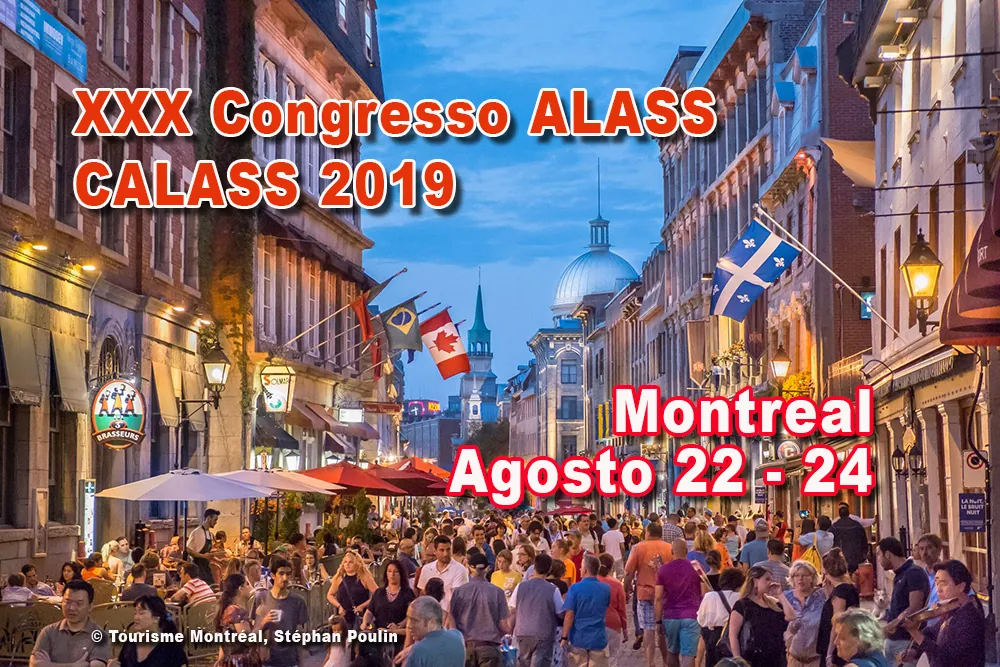
22-23-24 August 2019
Main theme: Cultures and the transformation of health systems
The transformation of health systems
An ageing population, the rising prevalence of chronic disease, emerging population health problems such as migrant health, budget constraints, innovation and information technology are among the drivers of major transformations in health systems. What are these transformations seeking? What meaning should be given to them? How should they be implemented? To answer these questions, public policy decision-makers and the managers of health systems and organisations face a number of challenges.
The role of culture in these transformations
Among those challenges, culture plays a significant role in implementing the transformation of health systems. Culture is a polysemic concept, used to speak of political culture, organisational culture, administrative culture, professional culture and patient culture. These different cultures interact and influence one another at the level of systems, organisations, groups and individual actors.
A range of actors with different cultural backgrounds interact within health systems. Cultures are frequently in conflict when transformations are attempted. The convergence, or the mediation, of professional, organisational, administrative and political cultures is a necessary condition for successful change and reform. Bringing cultures closer together requires confronting and jointly revisiting beliefs, values, visions, processes and structures in view of the intended results. If cultures cannot be managed, strategies can at least make them better understood and turn their diversity into an asset.
Why does culture matter?
Several studies suggest that culture within organisations is an important lever for improving the performance of health services (Scott, 2003). Health care systems and their organisations should therefore facilitate the convergence of cultures in order to achieve transformation and meet their various challenges. This can sustain service improvement while maintaining high standards of quality and access.
The congress sets out to reflect on the role of cultures in transforming health organisations and systems through a series of questions:
The influence of cultures on the adaptation and transformation of health systems:
- To what extent do professional, organisational, administrative or political cultures help shape the transformation of health systems?
- To what extent do cultural realities facilitate or limit the adaptation and performance of health systems?
- How do cultural specificities influence the evolution of health systems?
- To what extent do cultures play a role in steering specific actions to improve practice?
Tensions between cultures:
- Which tools and approaches can be used to facilitate the adaptation of systems and the convergence of cultures?
- What tensions between cultures do health systems face?
- How can tensions between cultures drive or hinder change in health systems?
Cultural specificities of Latin-language countries:
- What conditions for success are tied to the specific contexts of change in Latin-language settings?
- Are there cultural specificities particular to Latin-language settings?
The cultures of populations and minorities:
- How can the cultures of different communities (minorities, Indigenous peoples) be reconciled?
- In a context of population migration, how can cultures be integrated so as to meet population needs?
- How can patient (user) culture be integrated into the conduct of reforms?
Keywords
- Professional, organisational, administrative, political and patient cultures.
- Cultural change.
- Organisation of care, forms of organisation, organisational models.
- Health system, health care system.
- Governance, clinical governance.
- Leadership.
Other ALASS themes
ALASS is an association whose members hold diverse interests. It is therefore possible to propose presentations and specific sessions on any relevant question in the analysis of health systems, such as:
Epidemiology and public health, care for older people, conditions of access and equity, service organisation in integrated networks, diagnostic-therapeutic-care pathways and hospital-territory integration, mental health, health service financing, logistics, management instruments, ICT, hospital risk management, organisational models, competence and knowledge management models for health personnel, education in the health professions, distance learning, governance and national health policies, decentralisation of health care systems, public-private relations, health education and public communication, home hospitalisation, the right to health, patients’ rights, and so on.
Where relevant, the scientific committee will group independent papers around common themes to form sessions. ALASS members and congress participants are invited to propose thematic sessions on questions related to the analysis of health systems.